NEW Episode Drop! Top 6 retention habits of 8 and 9 figure DTC brands |
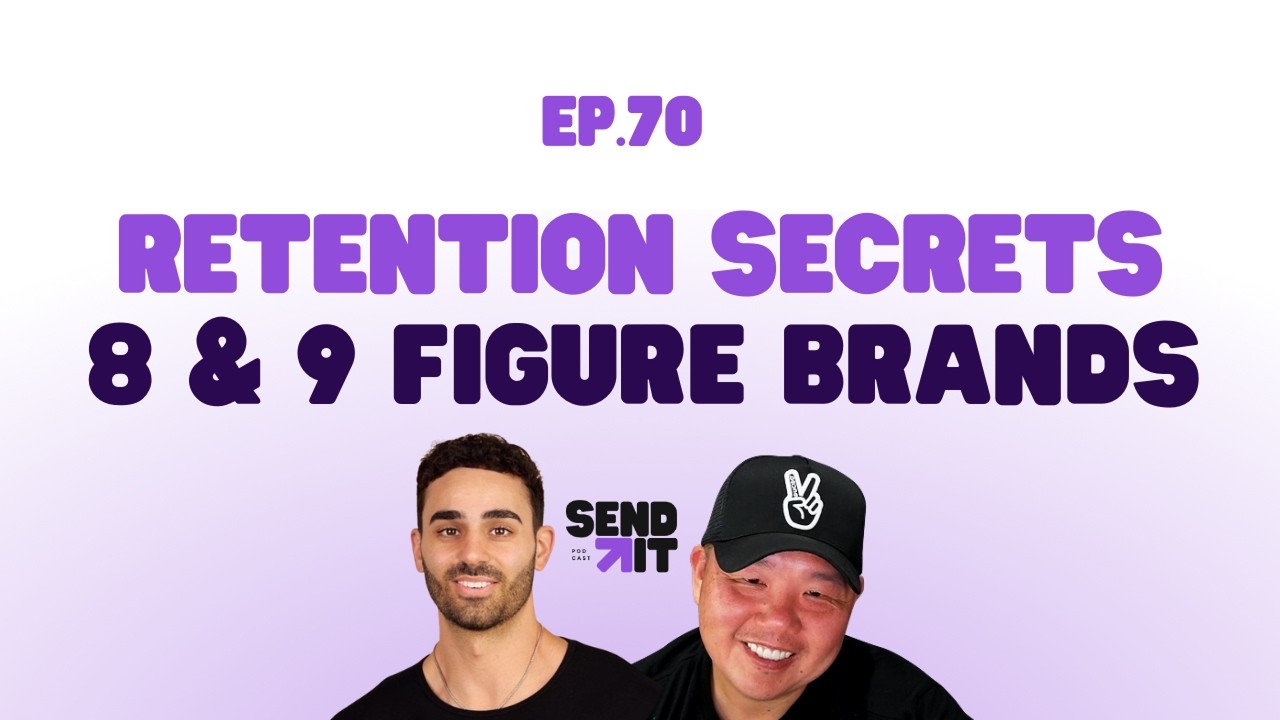 | Top 6 Retention habits of 8 and 9 figure DTC ecommerce brands - EP 70 |
|
|
There's a reason some brands keep growing and others plateau… and it usually shows up in their retention strategy first. |
In this episode of Send It, Jimmy sits down with Feras Khouri, co-founder of New Standard Agency, to break down six things that 8 and 9-figure DTC brands consistently do in email and SMS that most brands overlook. |
Feras brings a rare perspective having scaled his own brand to 8 figures before building an agency that now works with some of the biggest names in DTC including AG1, Caraway, and New Era Caps. |
Want to take it a step further? Scroll on because we're digging into the untold secrets behind 8 and 9 figure brands. |
|
|
|
1. Retention goals deserve the same rigor as acquisition goals |
Brands that reach eight and nine figures don't treat retention as an afterthought. They set specific, measurable goals for it the same way they set goals for paid media. |
That means going beyond "how much did email make this month" and getting intentional about: |
What is our target repurchase rate? What are our average days between orders and how do we shorten them? Where does churn spike and what are we doing to address it before it happens?
|
If your retention strategy doesn't have clear goals attached to it, you're not running a strategy. You're running a calendar. |
|
|
|
2. Open rates are layer one. Start measuring layer two. |
Opens and clicks tell you how an email performed. They don't tell you how a customer is behaving. |
Layer two metrics are the ones that actually reflect customer health over time: repurchase rates, churn by cohort, CLV trends, revenue per delivery. These are the numbers that tell you whether your retention program is working or just generating activity. |
The brands that get this right don't wait until month three churn spikes to start asking questions. By the time churn shows up, the problem started weeks earlier, usually in the welcome flow, the onboarding experience, or a mismatch between what the ad promised and what the product delivered. |
|
|
|
3. Retention is bigger than email and SMS |
Email and SMS are the core channels, but the brands winning at retention are thinking well beyond them. |
Physical mailers, push notifications, loyalty programs, product inserts, subscription mechanics, and even customer support all contribute to whether a customer comes back. And the brands that measure CLV across all of those touchpoints, not just email, are the ones that know where to double down. |
The mindset shift is simple: retention is every interaction a customer has with your brand after they buy. Email and SMS are two of those interactions, not the whole picture. |
|
|
|
4. Your retention data is an acquisition asset |
The learnings sitting inside your retention program are more valuable to your acquisition team than most brands realize. |
What messaging converted non-buyers over 30, 60, 90 days? What offer in your welcome flow changed your P&L? What did your best customers respond to before they became loyal? That information should be flowing back to the people running your ads and building your landing pages. |
Retention and acquisition aren't separate functions. They're a feedback loop. The brands that treat them that way grow faster and more efficiently than the ones that keep them siloed. |
|
|
|
5. An honest internal feedback loop is a competitive advantage |
The best retention agencies aren't just sending emails. They're telling brands when the offer is stale, when the product isn't the problem retention can solve, and when ad spend dropping is the real reason email revenue is slipping. |
That kind of honesty requires a feedback loop that connects retention, acquisition, product, and customer support. When those teams are sharing information, problems get caught early. When they're siloed, everyone optimizes their own metrics while the brand slowly loses customers. |
|
|
|
TL;DR: Retention is a system, not a calendar |
The brands that get this right are tracking the right metrics, setting real goals, looking beyond email and SMS, and making sure their retention learnings feed back into everything else the business does. |
Set retention-specific goals the same way you set acquisition goals Go beyond opens and clicks to track actual customer behavior over time Treat every post-purchase touchpoint as part of your retention strategy Pass retention learnings back to your acquisition and product teams Build honest feedback loops across every team that touches the customer
|
Tune into this week's episode of Send It with Feras Khouri, co-founder of New Standard Agency, for all six things 8 and 9-figure brands consistently do in email and SMS (and how to apply them at any stage). |
🎧 Here's what we're diving into:
00:00 Welcome to The Show
02:00 Meet Our Guest: Feras's Khouri
05:00 Does this apply to smaller brands? The 7-figure vs 8-figure question
10:00 #1: Set retention-specific goals
14:00 #2: Understand layer two metrics
17:00 #3: Look beyond email and SMS
22:00 #4: Use retention for acquisition
27:00 #5: Create an internal feedback loop
37:00 #6: Rapidly test technology
41:00 Building a brand brain with AI vs. using AI to replace human thinking
44:00 Wrap up, where to find Feras, and final thoughts
|
The new episode just dropped on YouTube, Spotify, and Apple. Go stream it NOW! |
|
Omnisend is an all in one eCommerce email and SMS marketing automation platform that enables marketers to engage customers and drive sales through personalized experiences. |
Inboox.ai is an AI-powered library packed with over 1M+ Shopify emails. Explore send time data, full HTML codes, AI breakdowns and more from the fast growing DTC brands. |
✌️, |
Jimmy and Chase |


