Preview
|
|||||||||||||||||||||||||||||||||||||||||||||||||||||||||||||||||||||||||||||||||||||||||||||
|
|||||||||||||||||||||||||||||||||||||||||||||||||||||||||||||||||||||||||||||||||||||||||||||
|
|||||||||||||||||||||||||||||||||||||||||||||||||||||||||||||||||||||||||||||||||||||||||||||















- - - - - - - - - - - - - - - - - - - - - - - - - - - - - - - - - - - - - - -


Frequently asked questions
- What type of promotional email is this?
- A daily limited-time deals email designed to create urgency by showcasing specific discounted products with exact savings amounts (e.g., $550 off) rather than generic percentage discounts.
- Why is the daily format effective for this audience?
- Regular daily emails condition subscribers to check for deals; photographers and videographers actively seek professional-grade equipment and trust B&H, so repeated opportunities drive engagement and purchase.
- What makes the savings communication effective?
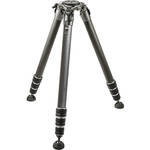
- Specific dollar amounts ($550) are more compelling than percentages for high-ticket items; pairing them with product model names (Gitzo Systematic Series 4) signals legitimate professional-grade discounts, not impulse deals.
- Can this template work for other product categories?
- Yes—the daily deal format scales to any high-value merchandise (electronics, gear, tools) where audiences make frequent purchases based on scarcity and concrete savings, but works best with specific model names and dollar savings.