Preview
| Pierre Robert 33% | Fila 20% | Muchachomalo 20% | Calvin Klein Legwear | Dovre 33% |
||||||||||||||||||||||||||||||||||||||||||||||||||||||||||||||||||
| Kunt u de brief niet lezen? Klik hier. | ||||||||||||||||||||||||||||||||||||||||||||||||||||||||||||||||||
|
||||||||||||||||||||||||||||||||||||||||||||||||||||||||||||||||||





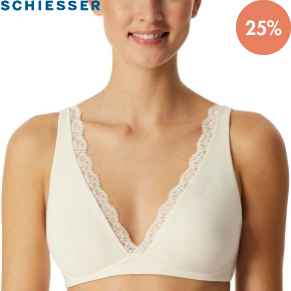
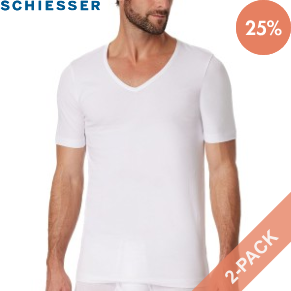
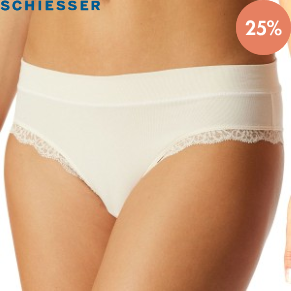
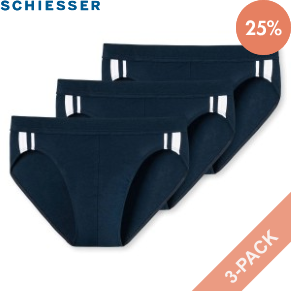








Frequently asked questions
- Why do tiered discount percentages work in multi-brand promotional emails?
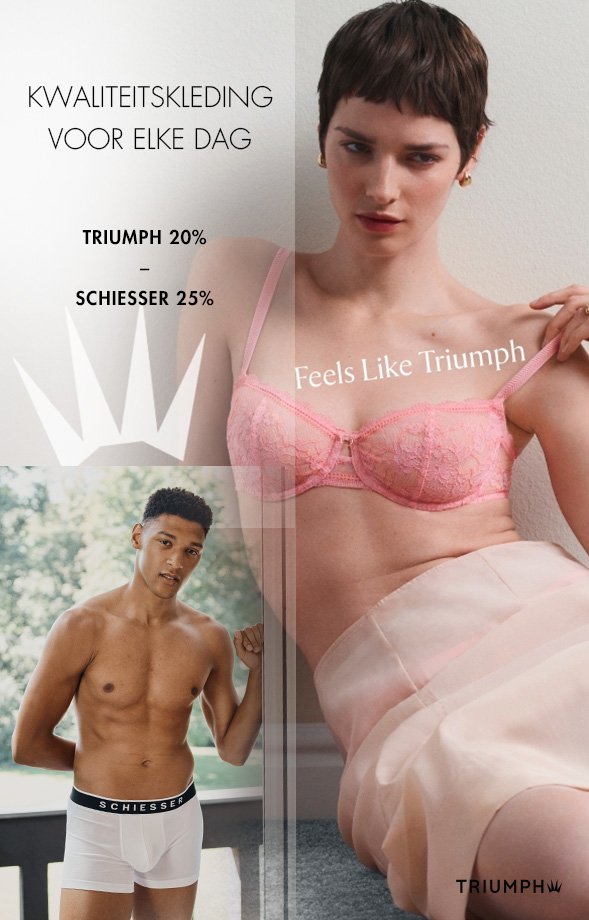
- Different percentages (20% vs 25%) signal strategic value positioning, encourage exploration of both brands, and the specificity builds credibility versus vague 'up to' messaging.
- How does product range diversity strengthen this email's appeal?
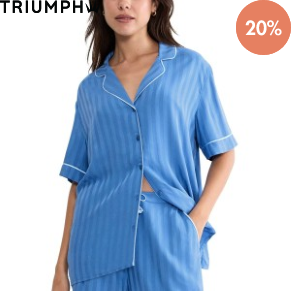
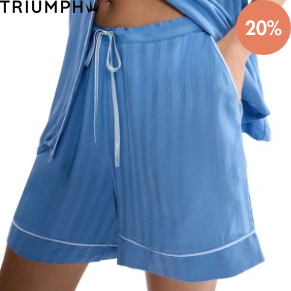
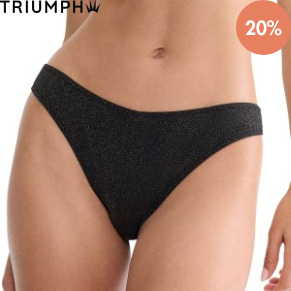
- Spanning shapewear, basics, sleepwear, swimwear, and legwear across men's and women's options addresses multiple shopping occasions and customer needs, increasing relevance across demographics.
- Can this template work for other product categories?
- Yes, the tiered multi-brand discount structure is reusable for any category with complementary premium brands, though discount levels and product mix should align with target segments.
- What makes multi-brand positioning effective versus single-brand promotions?
- Featuring complementary brands positions the retailer as a curated platform for quality products, expands appeal beyond single-brand loyalists, and increases relevance across different shopper preferences.